
These resources are here for anyone in the neighborhood who needs them, whether you’re going through something yourself or trying to help someone else. Reaching out for help isn’t a last resort, it’s what these programs exist for. If you’re not sure where to start, the Association board is also happy to help you find the right door.
Know Your Rights
Everyone in Seton Hill has the same basic legal protections, regardless of immigration status, income, or background. Knowing them before you ever need them is worth a few minutes.
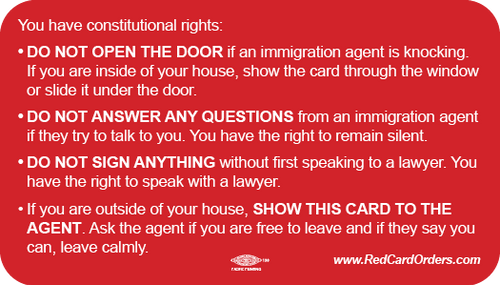
- If you encounter ICE or another law enforcement officer
- You have specific rights in that moment, including the right to remain silent and the right to ask if you’re free to go.
- Read what those rights are before you’re ever in that situation.
- If you live in or are applying for public housing
- HUD tenants have protections around how they’re treated by a housing authority or landlord.
- See the tenant rights guide.
- Safe City Baltimore
- Connects families with trained immigration lawyers to build an emergency plan before anything happens, not after.
- Run by the Mayor’s Office of Immigrant Affairs,
- Learn more and sign up for free training alerts.
- If a family member or friend has been detained by ICE:
- Call CASA MD for help understanding what’s happening and what to do next.
- 888-214-6016
- Think you’re getting scammed?
- A directory of local immigration legal service providers is available, along with information on common scams that specifically target immigrants, worth checking before paying anyone for help with your case.
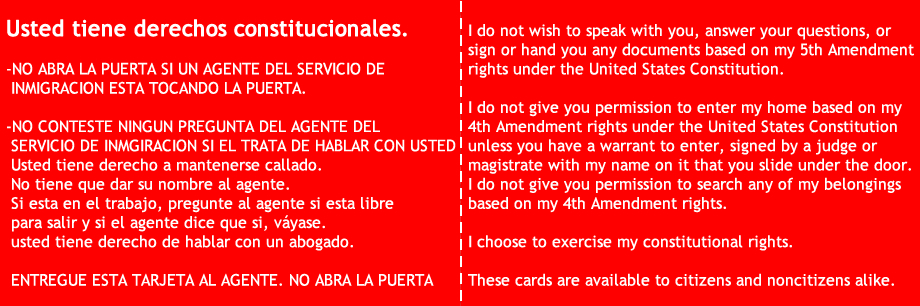
- The “Red Card” is a small card, available in multiple languages, that states your rights clearly so you can show it rather than have to explain yourself in a stressful moment. Print one to keep in your wallet.
- Mistreatment by Police Officer
- If you believe a police officer treated you unfairly, or you’re unsure whether something that happened to you crossed a line, you have real, documented rights.
- Start here for a plain explanation of your basic rights, including your right to record police and federal agents in public.
- The U.S. Justice Department Civil Rights Division takes discrimination reports directly if this has happened to you or someone you know.
- These are the most common characteristics that are legally protected: Race/color, Disability including temporary or in recovery, Religion, Immigration/citizenship status, Language and national origin including ancestry and ethnicity, Family, marital, or parental status including pregnancy, Age, Genetic identification, Servicemember status
- For complaints specifically about Baltimore Police, the City Sheriff’s Office, School Police, Environmental Police, BCCC, or Johns Hopkins Police (for incidents on or after July 1, 2022), the Baltimore City Police Accountability Board is a civilian body built to hear exactly this kind of complaint.
Wage & Employment Rights
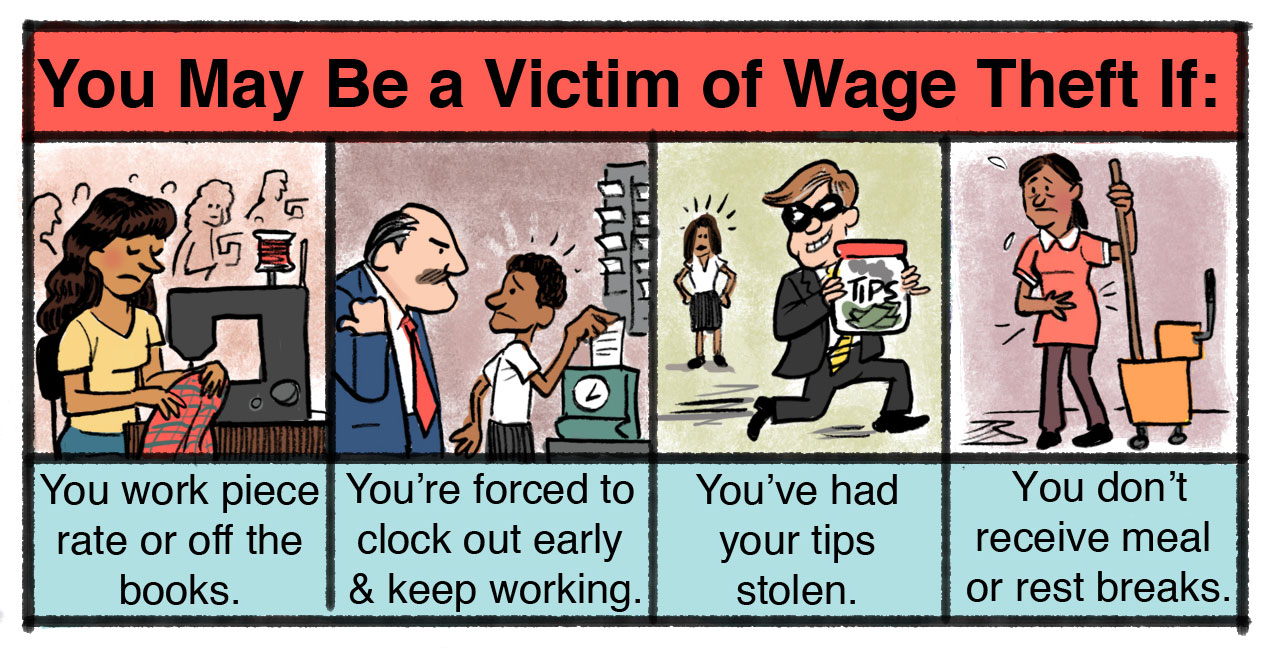
Wage theft and unsafe working conditions are more common than most people realize, and workers, especially day laborers and immigrant workers, often aren’t told they have real protections. To be clear: these rights generally apply no matter your immigration status.
- The U.S. Department of Labor’s Wage and Hour Division covers minimum wage, overtime, and related protections. If you think you’re owed money, you can file a complaint or check whether you’re already owed back wages from a past investigation, and find your nearest local office if you’d rather talk to someone directly.
- A few groups have specific protections: workers with disabilities, health care workers, day laborers, and nursing mothers each have a short reference card worth knowing about.
- Also available: an FMLA quick reference, YouthRules for younger workers, and guidance on pay rights during natural disasters and recovery.
- If your unpaid wages relate to a City-funded construction or service project, the Baltimore City Wage Commission handles that. If your employer has no City contract, the Maryland Department of Labor’s Employment Standards Service is the right place instead.
- Maryland Legal Aid offers free legal help with wage claims and other civil issues if you need someone in your corner.
Job & Career Help
Whether you’re between jobs, looking for a change, or just want a second set of eyes on your resume, this is a genuinely welcoming, no-pressure resource:
- The Job and Career Clinic at Enoch Pratt Central Library (400 Cathedral St) runs Thursdays and Fridays, 11am–4pm, no appointment necessary. They help with resumes, cover letters, interview practice, and figuring out your next move.
Food & Pet Pantries
Needing extra help putting food on the table, for yourself or a pet, isn’t something to feel embarrassed about, these resources exist because plenty of neighbors use them.
- First & Franklin Food Pantry, 210 W Madison St, open Saturdays 10:30am–12pm.
- Interested in volunteering instead? Reach out to information@firstfranklin.org.
- Need something else? this directory covers food pantries across Maryland.
- Pet food assistance is also available, so no one has to choose between feeding themselves and their pet:
- Baltimore Humane Society’s Bmore Kind Pet Food Bank (410-833-8848 ext. 2)
- Maryland SPCA’s Kibble Connection (410-235-8826 ext. 5003)
- BARCS (410-396-4695)
- MCQE’s Mobile Pet Pantry (443-507-6849, text only)
- Charm City Companions near McElderry Park (443-863-8117)
Report Human Trafficking
Human trafficking means someone is being forced, tricked, or coerced into work or sex acts against their will, it can happen to anyone, and it’s often hidden in plain sight. If something feels wrong, whether it’s about you or someone you’re worried about, you don’t need to be certain before reaching out, and reaching out doesn’t commit you to anything.
- National Human Trafficking Hotline, confidential support and information
- BeFree Textline: text HELP to 233733, available 24/7
- National Center for Missing & Exploited Children: 1-800-843-5678, especially relevant if a child is involved